
Teleport ohne Mythen: Was er kann, was nicht und wann er sich lohnt
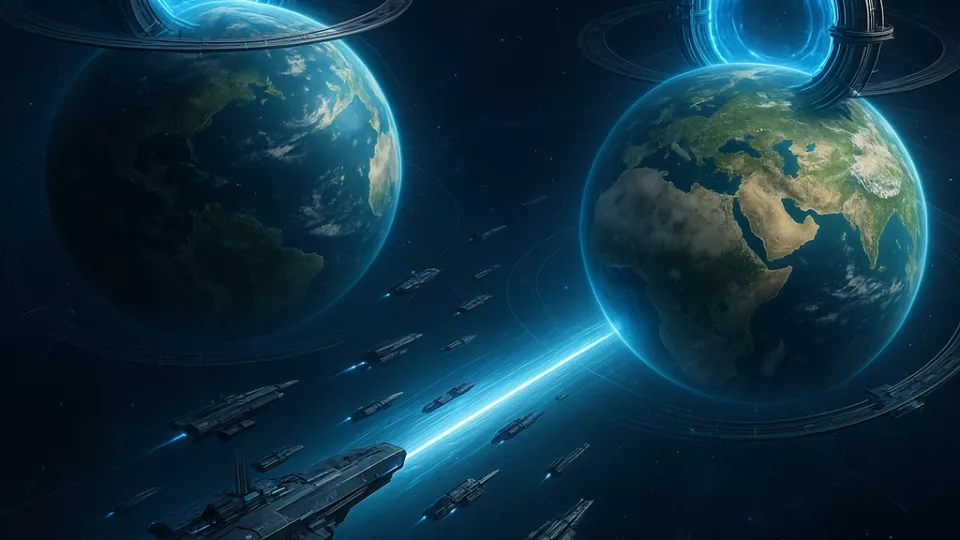
Der Teleport in War for Galaxy hat fast schon einen mythischen Ruf. Spieler, die zum ersten Mal mehrere entwickelte Planeten erreichen, erwarten oft von ihm ein "Portal für alles": den Gegner ohne Annäherung treffen, sofort ein Ziel scannen, überall hin springen, jede Flotte im letzten Moment retten oder gängige Flugregeln umgehen. Also fangen wir mit dem Wichtigsten an: Der Teleport in War for Galaxy ist keine Waffe, keine Aufklärung und kein universeller Rettungsknopf.
Tatsächlich ist der Teleport eine strategische Einrichtung, die ausschließlich zur Verlegung Ihrer Flotten zwischen Ihren eigenen Planeten dient. Er funktioniert nur zwischen eigenen Kolonien und/oder dem Heimatplaneten. Es gibt keine Sprünge zu fremden Koordinaten, keine Angriffe über das Portal, keine Spionage oder Interaktion mit fremden Planeten anderer Spieler über diese Mechanik.
Die wichtigste Regel ist einfach: Der Teleport muss auf beiden Seiten der Route gebaut sein. Wenn der Teleport auf dem Ausgangsplaneten vorhanden ist, aber auf dem Zielplaneten nicht, entsteht keine vollständige Verlegungsstrecke. Es ist kein einzelnes Gebäude zum „Flotte irgendwohin bewegen“, sondern ein Element Ihres internen Logistiknetzwerks.
Warum ist dieser Bau dann so wichtig? Weil War for Galaxy nach den Gesetzen großer Entfernungen gespielt wird. Wie viele Weltraumspiele, Browserspiele und ernsthafte Online-Strategiespiele zwingt es zum Nachdenken nicht nur über die Flottenzusammensetzung, sondern auch darüber, wo sich die Flotte im entscheidenden Moment befindet. In einem Galaxiespiel mit mehreren Kolonien liegt die Schwäche oft nicht im Schaden, sondern in der Logistik: Schiffe stehen nicht dort, Reserven sind weit weg, die Verteidigung über Planeten verteilt, und der Gegner ist bereits unterwegs.
Der Teleport löst genau diese Aufgabe. Er hilft, den Schwerpunkt des Imperiums schneller zu verlagern: die Flotte zu einem wichtigen Kolonieplaneten ziehen, Kräfte auf dem Heimatplaneten sammeln, Reserven zwischen eigenen Punkten verschieben. Für Spieler, die War for Galaxy als Space-MMOG mit lebendiger Karte, Allianzaktivitäten und ständigem Zeitdruck verstehen, ist es kein Luxus, sondern ein strategisches Mobilitätswerkzeug.
Wie man den Teleport freischaltet und baut
Der Teleport ist kein Gebäude für die ersten Spielstunden. Es handelt sich um eine schwere Infrastruktur für ein Imperium mit mehreren bedeutenden Planeten, fortgeschrittenen Technologien und einer Flotte, die tatsächlich zwischen Punkten bewegt werden muss.
Um den Bau des Teleports freizuschalten, müssen drei Voraussetzungen erfüllt sein:
- Dock Level 8 auf dem Planeten, auf dem Sie den Teleport bauen möchten;
- "Subraum-Transport" Level 10;
- "Tachyonen-Scan" Level 10.
Der Preis für die erste Stufe zeigt sofort, dass es eine Investition in mittleren oder späten Entwicklungsphasen ist:
- 2.000.000 Titan;
- 4.000.000 Silizium;
- 2.000.000 Antimaterie.
Hier liegt ein häufiger Irrtum: Ein einzelner Teleport zu bauen und Wunder zu erwarten, ist sinnlos. Ein Knotenpunkt erzeugt keine Verbindung. Für eine funktionierende Strecke muss der Teleport auf dem Startplaneten und dem Zielplaneten stehen. Ohne Teleport auf dem Zielplaneten kann die Flotte nicht über diese Mechanik dorthin geschickt werden.
Daher muss man nicht an Einzelgebäude denken, sondern an ein Netz. Das minimale nützliche Paar sind zwei eigene Planeten mit Teleports. Zum Beispiel: Heimatplanet und Kampfkollonie, Produktionsbasis und Frontposten, Lagerplanet und Planet, von dem aus die meisten Operationen starten. Einen Teleport auf einer ruhigen Neben-Kolonie "für später" zu bauen, geht zwar, bringt aber keine Vorteile, solange es auf einem anderen bedeutenden Planeten kein Pendant gibt.
Die Logik bei Upgrades ist ebenso streng: Die Kosten für weitere Stufen verdoppeln sich nach der üblichen Baukostenformel. Es lohnt sich nicht, wahllos überall hochzurüsten. Wählen Sie zuerst Routen, bei denen Mobilität wirklich entscheidend ist: Verteidigung wertvoller Planeten, Flottensammlung vor großen Aktionen, regelmäßiger Transport von Kampf- oder Frachtschiffen zwischen den Zentren Ihres Imperiums.
Was der Teleport wirklich kann
Die Hauptfunktion des Teleports in War for Galaxy ist der Transport Ihrer eigenen Flotte zwischen Ihren eigenen Planeten, auf denen bereits Teleports gebaut wurden. Umgangssprachlich nennt man ihn oft ein Instrument für sofortige Verlegung, aber im Interface hat die Operation eine feste Dauer: 5 Minuten. Die Flotte verschwindet also nicht augenblicklich, sondern die Flugzeit ist im Vergleich zu regulären interplanetaren Reisen deutlich verkürzt und vorhersehbar.
Es gibt einige wichtige Regeln, die Sie vor dem Start beachten müssen:
- Jede Teleportation belegt 1 Flotten-Slot, genau wie ein normaler Flug. Der Teleport umgeht nicht das Limit der aktiven Flotten.
- Kein Treibstoffverbrauch. Antimaterie wird für den Flug durch den Teleport nicht verbraucht, was besonders bei häufigen inneren Verlegungen großer Gruppen wichtig ist.
- Die Verlegungszeit ist fixiert – 5 Minuten. Der Teleport-Level beeinflusst nicht die Dauer des Fluges zwischen Planeten.
- Nach dem Start kann die Teleportation nicht abgebrochen werden. Sobald die Flotte unterwegs ist, muss man auf das Ende der Operation warten.
Der Teleport-Level beeinflusst nicht die Geschwindigkeit dieser fünf Minuten, sondern zwei andere Parameter: die maximale Ladekapazität der Flotte, die auf einmal transportiert werden kann, und die Abklingzeit. Je höher der Level, desto größer ist die Flottengröße pro Operation und desto schneller ist der Teleport wieder einsatzbereit.
Es ist wichtig, Kapazität nicht mit Kampfstärke zu verwechseln. Der Teleport prüft das Limit der transportierten Flotte, nicht, wie mächtig sie im Kampfreport erscheint. Ist die Flotte für den aktuellen Teleport-Level zu groß, wird das System sie nicht automatisch in Teilen schicken oder in eine Warteschlange stellen, sondern es erscheint eine Warnung.
Die konkrete Formel zur Berechnung von Ladekapazität und Abklingzeit wurde von den Entwicklern nicht veröffentlicht. Daher ist der praktische Ansatz: Prüfen Sie die realen Flottenzusammenstellungen, die Sie zwischen Ihren Planeten häufig bewegen. Wenn die Flotte nicht mehr passt oder die Abklingzeit regelmäßig Ihre Verteidigungs- und Umgruppierungszeiten stört, ist ein Upgrade sinnvoll.
Was der Teleport nicht kann
Der häufigste Fehler im Zusammenhang mit dem Teleport ist es, ihn als "Portal für alles" zu betrachten. Tatsächlich handelt es sich um eine spezialisierte, aber wirksame Infrastrukturmechanik. Sie bewegt Ihre Flotten zwischen Ihren Planeten mit Teleports. Alles andere sind Mythen, die Sie besser aus Ihren Planungen verbannen sollten, bevor Sie eine Strategie um nicht vorhandene Funktionen bauen.
Angriffe über den Teleport sind nicht möglich
Der Teleport löst keinen Angriff aus. Man kann keinen Subraum-Korridor zu einem feindlichen Planeten öffnen, eine Flotte hineinstellen und sofort kämpfen. Für Angriffe gibt es das normale Kampfeinsatzsystem mit eigenen Regeln, Flugzeiten, Treibstoffverbrauch und Risiken. Der Teleport unterstützt nur dabei, Kräfte auf eigenen Planeten zu sammeln, der Angriff selbst läuft regulär ab.
Aufklärung oder Spionage sind nicht möglich
Der Teleport ersetzt keine Aufklärungsdrohnen, Scanvorgänge oder Spionageaufträge. Über ihn kann man keine Informationen über Verteidigungszusammensetzung, Flottenpräsenz, Ressourcen oder Aktivität fremder Planeten erhalten. Für solche Informationen nutzen Sie die entsprechenden Aufklärungsmechaniken, nicht den Teleport.
Flotten können nicht zu fremden Planeten geschickt werden
Der Teleport funktioniert nur zwischen Ihren Kolonien und/oder dem Heimatplaneten. Gegnerische, verbündete oder sonstige fremde Planeten sind keine gültigen Ziele. Es ist kein Werkzeug für Invasionen oder zum Umgehen von Distanzen zu Feinden.
Fremde oder Allianzflotten können nicht genutzt werden
Der Teleport arbeitet nicht mit Flotten anderer Spieler, auch nicht mit Verbündeten. Allianzschutz, gemeinsame Angriffe, Transporte und andere Aufgaben laufen nach eigenen Regeln. Der Teleport ersetzt diese nicht und verwandelt eine Allianzflotte nicht in ein gemeinsames Lager.
Besonders wichtig: Truppen können auf keinen Fall an andere Spieler übergeben werden. Der Teleport ist kein Schlupfloch, Schiffe zu verschenken, die Armee an Freunde zu übergeben oder Flotten auf fremde Accounts zu verlegen. Er dient nur Ihrem persönlichen Netz eigener Planeten.
Flüge zu eigenen Planeten ohne Teleport sind nicht möglich
Auch wenn der Planet Ihnen gehört, reicht das nicht. Auf beiden Seiten der Route muss ein Teleport vorhanden sein. Fehlt er auf dem Zielplaneten, ist der Flug auf diesem Weg nicht möglich.
Es können nicht alle Einheiten teleportiert werden – Beispiel Plünderer
Der Plünderer zeigt gut, dass es in War for Galaxy für einzelne Einheiten strenge Einschränkungen gibt. Er ist an seinen Heimatplaneten gebunden und kann nicht auf andere Planeten des Spielers verlegt werden. Seine einzige verfügbare Mission ist "Diebstahl" mit anschließendem Rückflug zum Heimatplaneten. Er kann nicht für Angriff, Verteidigung, Aufklärung, Transport oder Teleport benutzt werden, um "bequemer" verlegt zu werden.
Wann sich der Teleport auszahlt
Die Amortisation eines Teleports ist nicht so einfach wie bei einer Mine: Bauen und mehr Ressourcen pro Stunde bekommen. Der Teleport fördert weder Titan noch Silizium oder Antimaterie direkt und erhöht auch nicht den Schaden der Schiffe. Sein Gewinn liegt woanders: Sie bewegen Flotten schneller zwischen eigenen Planeten, verbrauchen keine Antimaterie als Treibstoff und vermeiden es, starke Flotten "am falschen Ort" stehen zu haben.
Das wird besonders deutlich, wenn Sie nicht nur eine einzelne saubere Basis besitzen, sondern ein Netzwerk von Kolonien mit verschiedenen Aufgaben: Dort gibt es Docks, Rohstofflager oder Frontplaneten nahe aktiver Gegner. Unter solchen Bedingungen fungiert der Teleport als Werkzeug im Niveau guter Strategiespiele: Gewinnt nicht, wer auf dem Papier die meisten Schiffe hat, sondern wer sie rechtzeitig am richtigen Ort sammelt.
- Koordinierte Verteidigung an mehreren Fronten. Läuft gegen verschiedene Richtungen Druck, ermöglicht der Teleport den schnellen Transport von Reserven zwischen eigenen Planeten mit Teleports. Heute wird die Flotte auf einer Kolonie gebraucht, morgen auf einer anderen. Ohne Teleport wartet man auf den normalen Flug und bezahlt Treibstoff; mit Teleport hat man eine mobile Reserve als Schutzschild für das gesamte Imperium.
- Flottenrettung aus Angriffssituationen. Entdeckt man einen feindlichen Angriff auf einen Planeten, kann der Teleport helfen, Schiffe aus einem ungünstigen Kampf rauszuziehen – vorausgesetzt, auf der anderen Seite der Route gibt es ebenfalls einen Teleport, ein Flotten-Slot ist frei, der Flottenzusammenstellung entspricht dem Limit, und der Timing-Puffer erlaubt die 5-minütige Verlegung. Es ist keine "Unsterblichkeits-Taste", aber im aktiven PvP entscheiden oft Minuten.
- Konzentration von Kräften vor Großangriffen. Der Teleport unterstützt, Schiffe auf einem wichtigen eigenen Planeten zu sammeln, bevor man startet. Wichtig: Der Angriff selbst startet durch einen normalen Auftrag, nicht durch den Teleport. Er bringt lediglich die Kräfte an den Startpunkt. Das ist praktisch bei Allianzaktivitäten, Angriffen auf starke Ziele oder einer Serie von Weltraumschlachten, bei denen die Flotte gebündelt sein soll und nicht über Kolonien verteilt.
- Einsparung von Antimaterie bei interplanetaren Bewegungen. Da beim Teleport kein Treibstoff verbraucht wird, spart man Antimaterie für Flüge. Je größer die Flotte und je öfter man Kampfschiffe, Transportschiffe oder Frachtschiffe zwischen eigenen Planeten bewegt, desto deutlicher wird die Ersparnis. Für Spieler, die mit Real-Time-Strategiespielen, Weltraumkampfspielen und Spielen über Raumschiffe vertraut sind, ist diese Logik bekannt: Eine starke Ökonomie bedeutet nicht nur Förderung, sondern auch Senkung regelmäßiger Ausgaben.
Die wichtigste Frage vor dem Bau: Wie oft bewegen Sie tatsächlich Flotten zwischen eigenen Planeten? Wenn Sie einmal pro Woche ein paar Schiffe "für den Notfall" versetzen, ist der Teleport eine teure Luxusinvestition. Wenn Sie regelmäßig Kampfgruppen verschieben, Kolonien sichern, Transporte verlegen und auf Gegnerflüge reagieren, amortisiert sich der Bau durch eingesparte Zeit, geschonte Schiffe und nicht verbrauchte Antimaterie.
Wo Sie den ersten Teleport bauen sollten
Die beste erste Route ist zwischen zwei Planeten, an denen Ihre Flotte ständig gebraucht wird. Das kann eine Produktionsbasis und eine Frontkolonie sein, die Hauptstadt und der Sammelplanet für die Angriffstruppe oder zwei Punkte, zwischen denen Sie Reserven am häufigsten verschieben. Selbst Stufe 1 Teleport bietet taktische Freiheit, ist aber ohne Gegenstück auf der anderen Seite der Route nutzlos.
Bauen Sie keine Teleports "zur Dekoration" auf isolierten oder unbedeutenden Kolonien. Wenn dort kaum Flotten fliegen, keine militärische Bedeutung besteht und der Planet nicht zu Ihrer tatsächlichen Route gehört, wird die Einrichtung teuer und nutzlos sein. Beim Browser-Strategiespiel gewinnt nicht, wer viele schöne Gebäude hat, sondern wer eine funktionierende Infrastruktur täglich nutzt.
Upgrades lohnen sich dort, wo Sie an Grenzen stoßen. Wenn die maximale Ladekapazität Flotten nicht mehr komplett transportiert oder die Abklingzeit regelmäßige Verlegungen behindert, ist ein Upgrade gerechtfertigt. Bleibt das Limit ausreichend, sind Ressourcen vielleicht besser in Docks, Technologien, Verteidigung oder Flotte investiert.
Checkliste vor dem Bau
Bevor Sie Millionen Ressourcen in den Teleport stecken, halten Sie einen Moment inne und prüfen Sie, ob Sie ein Mobilitätswerkzeug bauen oder nur ein teures Spielzeug.
- Gibt es mindestens zwei wichtige eigene Planeten? Ein Teleport muss auf beiden Seiten der Route gebaut sein.
- Werden diese Planeten wirklich genutzt? Wenn eine Kolonie randständig ohne Flotte, Ressourcen und militärische Rolle ist, kann der Teleport dort warten.
- Wurden die Anforderungen erfüllt? Prüfen Sie Dock Level 8, "Subraum-Transport" Level 10 und "Tachyonen-Scan" Level 10 im Voraus.
- Reichen die Ressourcen nicht nur für ein Gebäude, sondern für ein Netz? Die erste Stufe ist teuer, weitere Stufen verdoppeln sich in den Kosten.
- Ist klar, welche Flotten Sie bewegen? Kampfreserven, Frachtschiffe, Angriffsschwärme sind realistische Szenarien. Ein abstraktes "wird später nützlich" ist schwacher Grund.
- Erwarten Sie keine verbotenen Funktionen? Der Teleport dient nicht für Angriffe, Aufklärung, Spionage oder Aktionen gegen fremde Planeten.
- Gibt es einen Zeit- und Antimaterie-Vorteil? Wer regelmäßig Flotten zwischen eigenen Planeten verschiebt, spürt schnell Spritersparnis und beschleunigte Logistik.
Kurzes Fazit
Der Teleport macht die Flotte nicht von selbst stärker. Er erhöht nicht den Schaden, ersetzt keine Schiffe, gewinnt nicht den Kampf für Sie und verwandelt War for Galaxy nicht in ein Spiel mit Sprüngen überall hin. Aber er steigert die strategische Mobilität des Imperiums deutlich: Er erlaubt schnelleres Zusammenziehen der Kräfte, Umgruppierung ohne Treibstoffverbrauch und verhindert, dass jeder Planet isoliert ist.
Die wichtigste Formel lautet: Der Teleport rentiert sich, wenn Sie regelmäßig mehrere Planeten verwalten und schnelle Flottenverlegungen zwischen ihnen benötigen. Je öfter Sie große Flotten bewegen, je wichtiger Ihnen Verteidigungszeitpunkte sind und je höher die Kosten regulärer Flüge, desto wertvoller wird dieses Gebäude.
Wenn Ihr Imperium bereits mehrere aktive Kolonien hat, besuchen Sie die Browser-Version von War for Galaxy, prüfen Sie, wo Ihr Flottenzentrum liegt, wo eine verwundbare Front ist und zwischen welchen Planeten Schiffe am häufigsten fliegen. Wenn Sie lieber mit Client spielen, schauen Sie auf die Download-Seite. Planen Sie Ihr erstes Teleport-Paar im Voraus – und lassen Sie Ihre Schiffe nicht nach langem Flug, sondern in fünf entscheidenden Minuten am richtigen Ort sein.